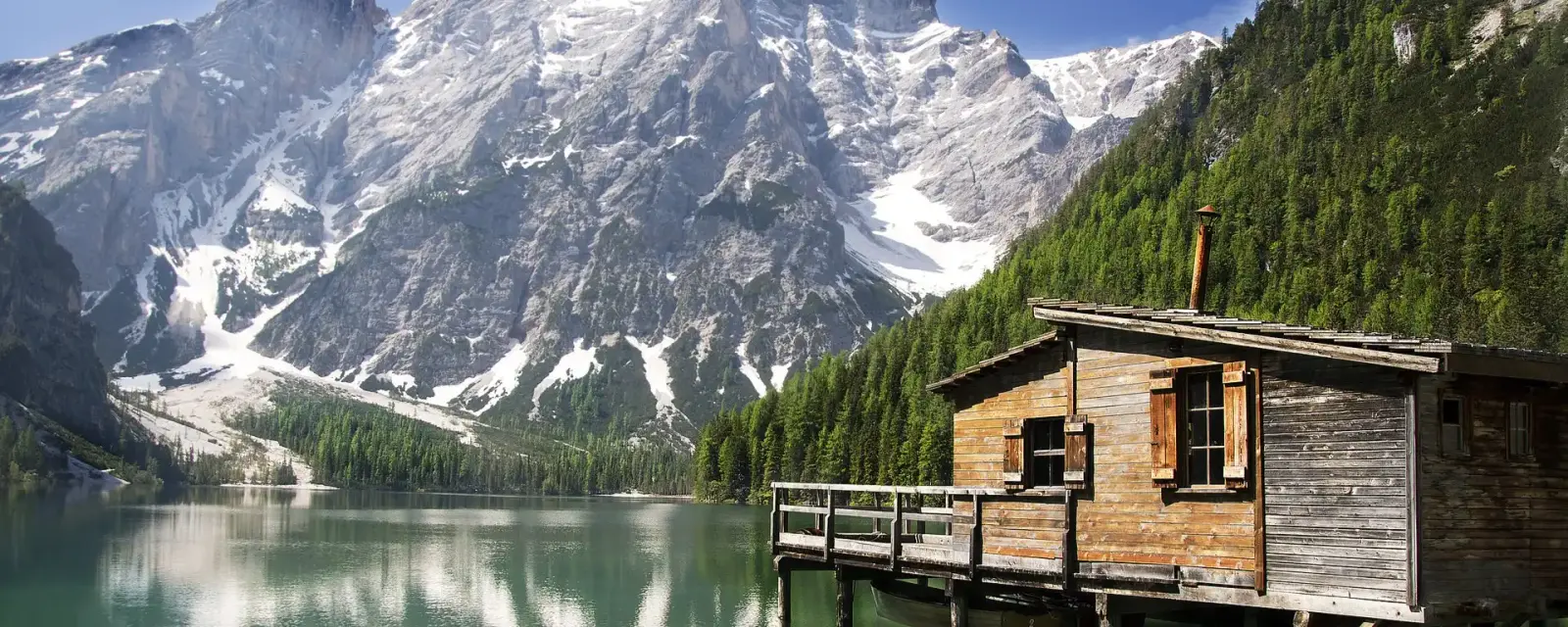
Mountain Huts
The heart of the Dolomites hiking experience.
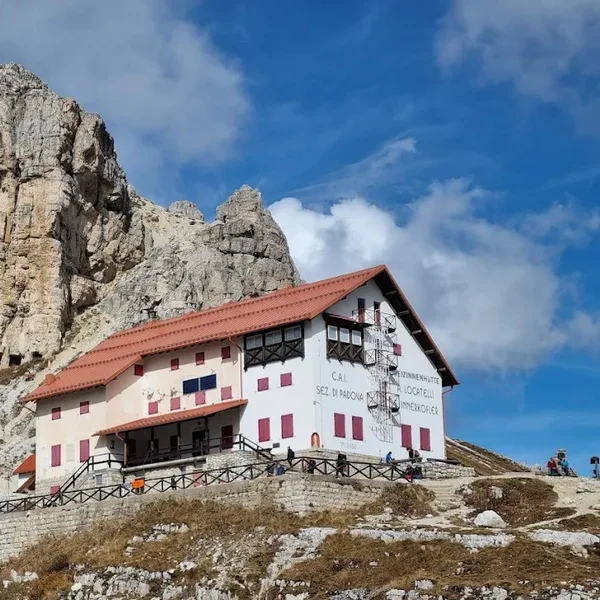
Rifugio Auronzo
Perched at the edge of the Tre Cime di Lavaredo, this high-altitude refuge serves as the primary gateway to the most famous peaks in the Sexten Dolomites.
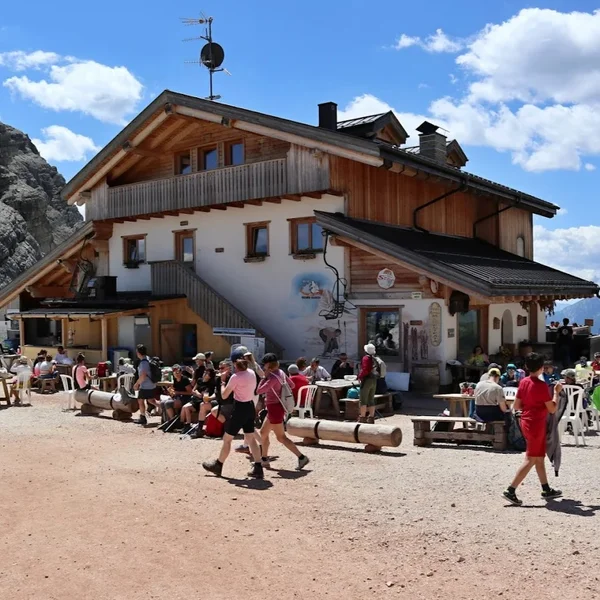
Rifugio Averau
Perched on the saddle between the Ampezzo and Agordino valleys, this refuge is world-renowned for its gourmet high-altitude cuisine and panoramic terrace views.
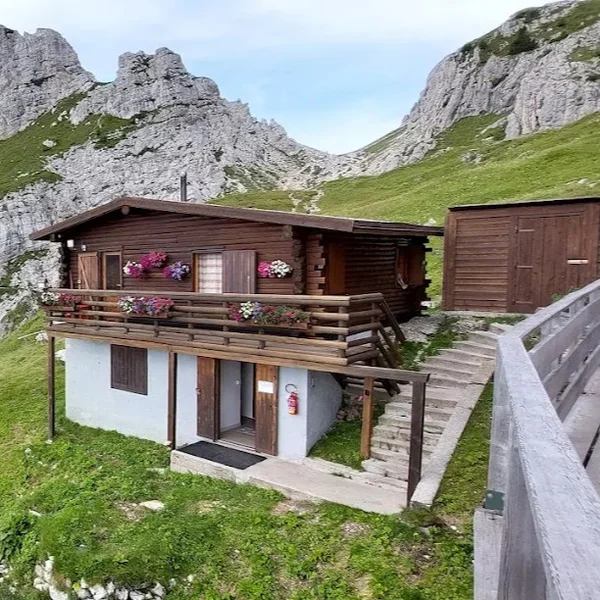
Rifugio Sonino al Coldai
Acting as the northern gateway to the mighty Civetta heritage site, this historic stone refuge is the essential stop for hikers visiting the emerald Coldai Lake.
No mountain huts match your search.
Dolomites Rifugios - Frequently Asked Questions
What types of rooms do rifugios offer?
Most rifugios have dormitory-style rooms (6 to 12 people per room) with bunk beds. Some larger or lower-altitude huts also offer private rooms for 2 to 4 people, but these book out first - often by February for the following summer. Regardless of room type, you are always required to bring your own sleeping bag liner (also known as a 'sac-à-viande'). Pillows and blankets are provided.
How far in advance should I book a mountain hut?
For popular routes like the Alta Via 1 or Alta Via 2, book 6 to 8 months in advance. Most huts open their booking systems between December and February. By March, peak-season beds (mid-July to mid-August) on the classic routes are entirely sold out. Smaller, off-route huts are more flexible - you can sometimes book 2 to 4 weeks ahead, but do not count on it.
Do rifugios accept credit cards?
Some do, most do not reliably. Even huts that advertise card payments use satellite-based terminals that frequently fail in bad weather or when cloud cover is heavy. Carry approximately €40 to €60 in cash per night in mixed bills (€5, €10, €20) plus a handful of €1 and €2 coins for drinks and small purchases. ATMs do not exist above the valley floor.
What food is served in Dolomites rifugios?
The food is one of the highlights of hut-to-hut hiking. Most huts offer Half-Board (dinner, bed, and breakfast) for approximately €55 to €80 per person. Dinner is typically a 3-course meal: soup or appetizer, a main course featuring local specialties like canederli (bread dumplings), polenta, venison, or Schlutzkrapfen (spinach-filled ravioli), and a dessert such as apple strudel or Kaiserschmarrn. Breakfast is continental-style with bread, jam, cheese, cold cuts, and coffee.
Can I just show up at a rifugio without a reservation?
On popular routes in peak season (mid-June to mid-September), no. You will almost certainly be turned away. Huts are legally required to keep emergency beds available, but these are a last resort for genuine emergencies, not for hikers who did not plan ahead. On less popular routes or during shoulder season (early June, late September), walk-ins are sometimes possible, but calling ahead the same morning is strongly recommended.
What time do rifugios serve dinner and when is lights out?
Dinner is served at a fixed time, usually between 18:30 and 19:30 - the hut will tell you when you check in. Arrive on time; kitchens close quickly. Most huts enforce a quiet period from 22:00, and generators are often shut off between 22:00 and 06:00, meaning no charging devices overnight. Breakfast is typically served from 06:30 to 08:00.
Do I need hiking boots for hut-to-hut treks?
For routes involving exposed terrain, via ferrata sections, or scree fields (Alta Via 1, Alta Via 2), sturdy approach shoes or hiking boots with ankle support are essential. Standard running shoes are dangerous on wet limestone. For gentler routes like the Alpe di Siusi circuit, lightweight trail runners with good grip are sufficient. Whatever you choose, make sure the soles have deep lugs for traction on loose rock.
From our partner · 400+ Verified Traveler Reviews
"This trek is magnificent. The itinerary is perfect, and our guide was extraordinary - knowledgeable, attentive, and genuinely passionate about the Dolomites."
"Well-marked trails that avoid the crowded tourist spots, with real elevation changes that keep it interesting. The mountain hut stays were a highlight - the Italian food at every rifugio was outstanding."
"Our guide was super professional. The transportation was seamless, and the family-run hotel was very comfortable - a friendly and safe setting. I would do it again in a minute."
"Excellent itinerary, excellent guide. Every detail was handled perfectly and the route choices were spot on. Would do it again without hesitation."
"A spectacular trek through an exceptional mountain range. The route avoids the most crowded areas and the views are relentless. Be warned - the elevation changes are more demanding than you expect."
"A genuinely engaging trek that keeps you motivated day after day. The variety of landscapes - from green valleys to high rocky passes - is remarkable. Well organized from start to finish."
"I rate this trip 10 out of 10. The accommodation quality exceeded my expectations, and the staff were incredibly attentive - even accommodating my food allergies without any fuss."
"An extraordinary itinerary that lets you discover the Dolomites without overexerting yourself. The route is well-balanced with no technical difficulties, yet you still feel immersed in the high mountains."
"A great discovery for a first group hiking trip. The guide was excellent, the group was friendly, and the autumn weather gave us clear skies over the Dolomites nearly every day."
"A wonderful week in the mountains with an excellent guide who knew every trail and every shortcut. The hut-to-hut format made the logistics effortless - just walk and enjoy."
Decades of Alpine Expertise
Our partner agency has been operating in the Alps for over 40 years. Their team of passionate mountain experts knows every trail, every rifugio, and every season intimately.
Fully Protected Trips
Your investment is safe. We work exclusively with a licensed, bonded, and insured operator. 24/7 assistance and comprehensive travel insurance are included with every booking.
Handcrafted by Locals
No generic packages. Each itinerary is designed by a small team of travel experts who hike these trails themselves. Luggage transfers, dietary needs, and every logistical detail are handled for you.
A Real Team, Not a Call Center
A dedicated team of a dozen specialists is available before, during, and after your trip. You speak directly to the people who designed your route and know the terrain.