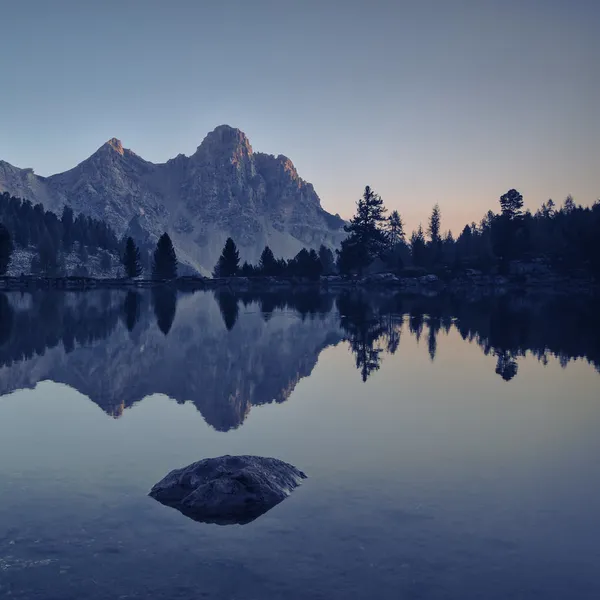
How to Get to the Dolomites: A Complete Logistics Guide
A no-nonsense guide to navigating the complex logistics of reaching the Italian Dolomites. Learn which airports to choose, the reality of mountain driving, and how to utilize the regional train and bus networks.
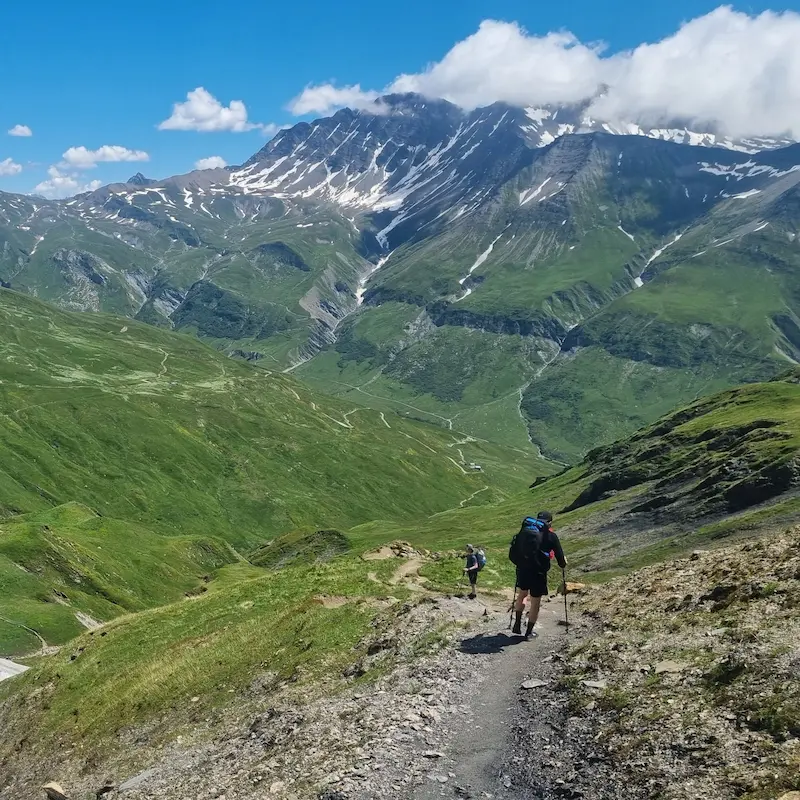
Fly into Venice (VCE) for the Eastern Dolomites or Innsbruck (INN) for the Western side. A rental car gives the most freedom but watch out for ZTL zones and toll roads. South Tyrol's public transport network is excellent if you prefer not to drive.
The Gateway Strategy: Choosing Your Airport
The Dolomites are not served by a single international airport. Depending on whether you are heading to the Eastern Dolomites (Cortina d’Ampezzo) or the Western Dolomites (Val Gardena, Alpe di Siusi), your landing point will change your entire transit day.
Venice Marco Polo (VCE): This is the primary gateway for the Eastern Dolomites. From VCE, it is a 150 km93 mi drive to Cortina d’Ampezzo, taking approximately 2 hours and 15 minutes. If you are not renting a car, the Cortina Express and ATVO buses run directly from the terminal to the mountains.
Treviso (TSF): While geographically closer to the mountains than Marco Polo, Treviso is a smaller hub primarily for budget airlines. Note that direct mountain shuttle options are more limited here than at VCE.
Innsbruck (INN): Located in Austria, this is the most convenient airport for the Northern and Western Dolomites. It is only 120 km75 mi from Val Gardena (St. Ulrich/Ortisei). However, flights are often more expensive. If you land here, you must ensure your rental car has an Austrian Vignette (toll sticker) and that the rental agency allows border crossings into Italy.
Verona (VRN): Verona is an excellent choice for the Brenta Dolomites or the southern Val di Fassa. It is 190 km118 mi from Ortisei. The drive is almost entirely on the A22 Autostrada, making it a fast entry route.
Bologna (BLQ): Often a sleeper option, Bologna frequently offers cheaper international flights than Venice. It is only about 2.5 hours from the southern gateway of the mountains.
The Milan Warning: Avoid the rookie mistake of flying into Milan (MXP or LIN) for a short trip. While flights are cheap, the drive is at least 4.5 to 5 hours. Unless the Dolomites are part of a larger Northern Italy road trip, the transit time is a major hurdle.
The Reality of Renting a Car
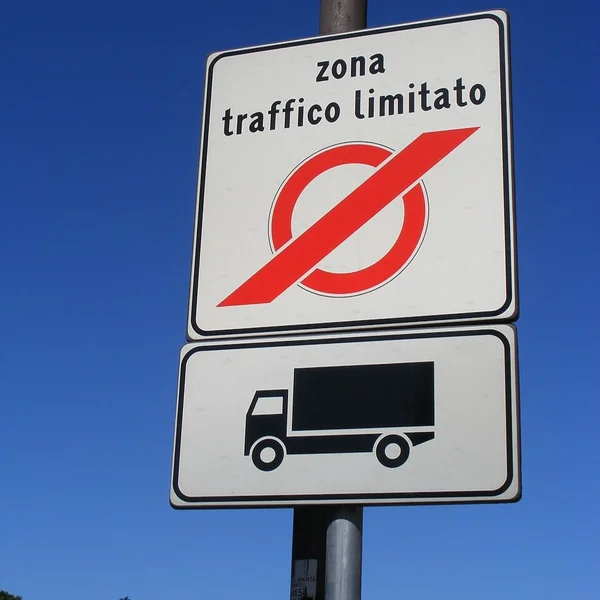
Renting a car offers the most freedom, but it comes with specific Italian headaches. The most critical is the ZTL (Zona a Traffico Limitato). These are restricted traffic zones in almost every village center. Many hotels in pedestrian zones, such as Ortisei, require you to provide your license plate at check in. The hotel then whitelists your entry for the duration of your stay. Failing to do this will result in a fine of approximately €80$88 to €150$165.
The Autostrada System: The A22 (Brenner Pass) is the main artery. It is a toll road. You will pull a ticket upon entry and pay when you exit. Expect to pay roughly €16$17.50 to €18$20.00 for a traverse from Verona to Brixen. Always use the lanes marked with a white sign (Cash/Card) and avoid the yellow Telepass lanes unless your rental car has a transponder.
Fueling Tip: Always refuel in the valley towns before you begin climbing the high mountain passes. Gas stations on the passes are rare, have limited hours, and are significantly more expensive than those near the main highways.
Winter Requirements: From November 15th to April 15th, all vehicles must legally carry snow chains or use winter tires. If renting in Venice, Verona, or Bologna during the shoulder season, verify that the car has M+S (Mud and Snow) tires.
Public Transport: The South Tyrol Integrated System
If you prefer not to drive, the public transport network in South Tyrol (Südtirol) is world class. It is coordinated through mobilcard.info.
The Train Backbone: The main rail line runs through the Valle Isarco (Eisacktal), stopping at Bolzano (Bozen) and Bressanone (Brixen). From these stations, high frequency SAD buses depart for the mountain valleys.
The Guest Pass Advantage: Most regional accommodations provide a Guest Pass free of charge. This covers all Regional (R/RV) trains and local buses. It does not cover high speed trains like the Frecciarossa, Italo, or the EuroCity (EC) trains that run between Bolzano and Innsbruck or Verona. If you board an EC train with only a Guest Pass, you will be fined.
Navigating the Mountain Passes
Once you are in the heart of the Dolomites, distance is measured in time, not kilometers. A 30 km18.6 mi stretch of road can take over an hour to navigate due to sharp turns and slow moving camper vans.
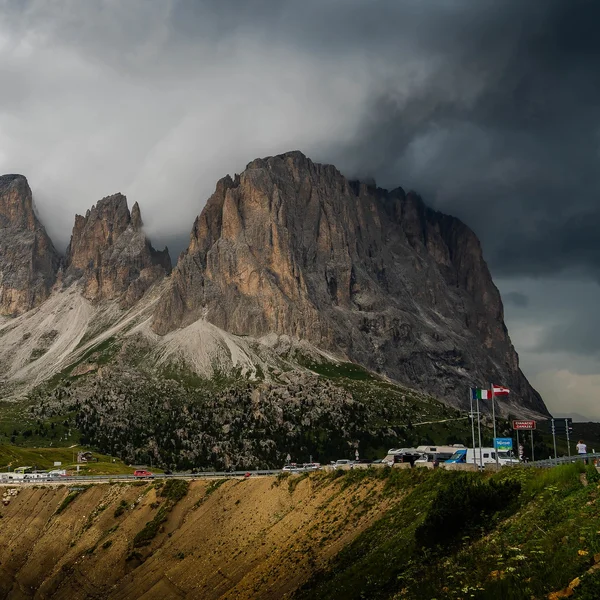
Passo Sella and Passo Gardena: These high altitude passes sit at approximately 2,240 m7,349 ft and 2,121 m6,958 ft. During July and August, these roads become extremely congested. Always check the local tourism board websites for Passo Aperto (Open Pass) status before heading out.
Essential Logistics Checklist
- International Driving Permit (IDP): If your license is from outside the EU, you legally require an IDP to drive in Italy.
- Offline Maps: Mobile signal is non existent in the tunnels and deep valleys. Download offline maps for the entire Trentino Alto Adige region before leaving the airport.
- Parking Fees: Most hotspot parking now requires pre booking online. For Lago di Braies, the summer parking and transit bundle is typically €40$44. If you drive there between July 10th and September 10th without a reservation, you will be turned away at the valley entrance.
From our partner · 400+ Verified Traveler Reviews
"This trek is magnificent. The itinerary is perfect, and our guide was extraordinary - knowledgeable, attentive, and genuinely passionate about the Dolomites."
"Well-marked trails that avoid the crowded tourist spots, with real elevation changes that keep it interesting. The mountain hut stays were a highlight - the Italian food at every rifugio was outstanding."
"Our guide was super professional. The transportation was seamless, and the family-run hotel was very comfortable - a friendly and safe setting. I would do it again in a minute."
"Excellent itinerary, excellent guide. Every detail was handled perfectly and the route choices were spot on. Would do it again without hesitation."
"A spectacular trek through an exceptional mountain range. The route avoids the most crowded areas and the views are relentless. Be warned - the elevation changes are more demanding than you expect."
"A genuinely engaging trek that keeps you motivated day after day. The variety of landscapes - from green valleys to high rocky passes - is remarkable. Well organized from start to finish."
"I rate this trip 10 out of 10. The accommodation quality exceeded my expectations, and the staff were incredibly attentive - even accommodating my food allergies without any fuss."
"An extraordinary itinerary that lets you discover the Dolomites without overexerting yourself. The route is well-balanced with no technical difficulties, yet you still feel immersed in the high mountains."
"A great discovery for a first group hiking trip. The guide was excellent, the group was friendly, and the autumn weather gave us clear skies over the Dolomites nearly every day."
"A wonderful week in the mountains with an excellent guide who knew every trail and every shortcut. The hut-to-hut format made the logistics effortless - just walk and enjoy."
Decades of Alpine Expertise
Our partner agency has been operating in the Alps for over 40 years. Their team of passionate mountain experts knows every trail, every rifugio, and every season intimately.
Fully Protected Trips
Your investment is safe. We work exclusively with a licensed, bonded, and insured operator. 24/7 assistance and comprehensive travel insurance are included with every booking.
Handcrafted by Locals
No generic packages. Each itinerary is designed by a small team of travel experts who hike these trails themselves. Luggage transfers, dietary needs, and every logistical detail are handled for you.
A Real Team, Not a Call Center
A dedicated team of a dozen specialists is available before, during, and after your trip. You speak directly to the people who designed your route and know the terrain.